Simply Scrumptous Low Carb Low Fat Coffee Cake is now available in Very Berry flavor. Just like the other coffeecakes, these are only 70 calories each and 5g net carbs.
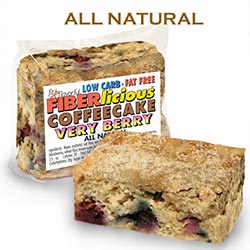
Simply Scrumptous Low Carb Low Fat Coffee Cake is now available in Very Berry flavor. Just like the other coffeecakes, these are only 70 calories each and 5g net carbs.
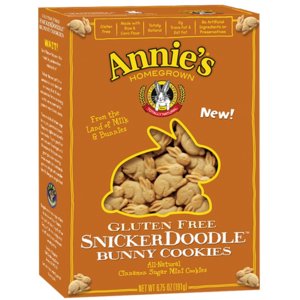
Annie’s Homegrown Gluten Free Bunny Cookies are now available in Snickerdoodle and Ginger Snap to compliment the already available Cocoa and Vanilla.
Better ‘n Peanut Butter Banana style is now available. Add a burst of flavor to your tired peanut butter and have it low in calories too!

One of the things that people miss most on a low carb diet are candy bars and sweet snacks. However, there is no need to completely exclude these from your diet, Linda’s Diet Delites has a great selection of low carb bars and low carb snacks to keep your sweet tooth happy without de-railing your low carb diet.
Sometimes we get a bit peckish and need something quick and handy to tide us over until the next meal. It’s all too easy to get tempted by a candy bar or packet of potato chips, but with a bit of forward planning you can stock your cupboards (and your purse) with healthy, nutricious, and more importantly, low carb bars that will fill that hunger hole but still leave you feeling saintly afterwards.
Atkins Advantage Bars are low carb (just 10g net carbs per bar), low in sugar and yet high in protein. The bars are 1.6 ounces so enough to satisfy your appetite and they come in 14 different flavors for you to choose from, so you will be spoilt for choice. These low carb bars are also on special offer at the moment with a 17% discount, retailing at $7.49 for a box of 5.
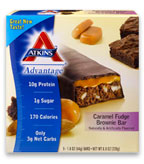 |
| Atkins Advantage Low Carb Bars |
We also sell Atkins Endulge bars, these are a luxurious low carb alternative to regular candy bars. There are 6 flavors to choose from and each low carb bar has no more than 3g net carbs. Again, we currently have these on special offer with a 28% discount and they retail at $6.49 for a box of 5.
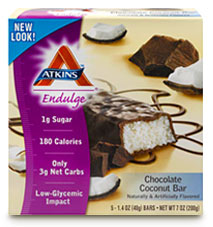 |
| Atkins Endulge Low Carb Bars |
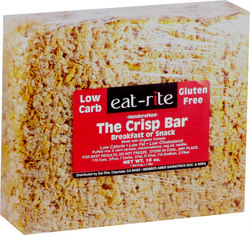
Eat Rite Crisps Bars are made from rice and marshmallows, and flavored with vanilla. A delicious snack that with only 2 diet counts and 5g net carbs can easily be incorporated into your low carb diet. A pack of 7 bars costs $9.99. They are also gluten free.
 |
| Just the Cheese Low Carb Bars |
Doctor’s Carbrite Diet Bars not only contain just 2.5g of net carbs they are also free from artificial sweetners such as aspartame and sucralose. They contain no hydrogenated fats or trans-fats making them a truely exceptionally healthy choice of low carb bar. They come in ten great flavors and are just $1.95 a bar.
 |
| Doctor’s CarbRite Diet Bars |
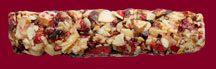 |
| Dixie Diner Sticky Bars |
We all know that on occasion it can be difficult to stay on track while on a low carb diet. Temptation lies all around us, and it’s not always easy to pick the right food choices. One of a low carb dieter’s biggest problems lie with trying to find low carb snacks. Sure, a handful of nuts, a (small) piece of fruit (for the low carb dieter on maintenance), or a stick of celery are great (and healthy) low carb snacks, but sometimes our tastebuds crave something different.
We know that potato chips, cookies and crackers are out of bounds. We know that regular granola bars, candy bars, and muffins are no good for us, so just what can we eat?
Luckily, there are now a delicious and healthy range of low carb snacks as well as chips and crackers for you to choose from, so you never have to be tempted by a bag of potato chips again. The low carb food industry specifically focuses on how the highest-carb snack foods can be deconstructed and re-imagined to give low carb dieters the satisfaction of crunchy, salty, starchy comfort foods. You’ll be surprised at what they’ve come up with!
These Dixie Diner Pita Chips are wheat free and come in two flavors; sweet cinnamon (for those with a sweet tooth) and tomato basil. They can either be eaten on their own like regular chips or dipped into a low carb spread or salsa or some home made guacamole.
 |
| Dixie Diner Pita Chips |
Just the Cheese Crunchy Baked Cheese Chips are not only fantastic to eat as a low carb snack on the go, they are brilliant to use for toppings in savory crumbles, crunchy alternatives to croutons in salads and soups, and instead of breadcrumbs for coating. They also come in 9 different flavors!
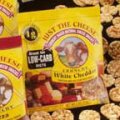 |
| Just the Cheese Crunchy Baked Cheese Chips |
Skinny Crisps Low Carb Crisps are made from primarily from ground almonds and chickpea flour and are perfect for those on both low carb and gluten free diets whilst being high in fiber. They come in a range of flavors and are an excellent way of curbing hunger pangs. Just three or four chips are enough to keep your hunger at bay until dinner time.
 |
| Skinny Crisps Low Carb Chips |
Healthwise Bakery Zero Net Carb Bagel Chips are not only carb free but also low in calories. These come in 7 different flavors and can be enjoyed with your favorite low carb spreads such as peanut butter or one of great flavored jelly spread.
 |
| Healthwise Bakery Zero Bagel Chips |
For even more low carb snacks please visit our website www.lindasdietdelites.com
We all know that low carb diets are excellent ways of losing weight. By restricting the amount of carbohydrates we eat, the body produces less glucose which in turn means our body burn more fat. However, whilst we know that we need to avoid breads, pastas, baked goods etc, are we really aware of just how many carbs are found in other foods? Foods that we consider to be carb free can actually be harboring a lot of hidden carbs.
Processed Carbs
Lots of processed condiments and salad dressing have either sugar added, or if it’s a low fat equivalent, then artificial sweeteners such as maltodextrin, dextrose and corn syrup solids. These additives are all carbohydrates and have exactly the same glycemix index as glucose. As well as being sweetened with these chemicals, processed foods are quite often thickened with wheat or corn starches as well.
Blended spices such as Chinese 5 spice, garam masala and chilli powder can surprisingly contain up to a gram per teaspoon. Spices made from roots, bark or seeds such as coriander, cinnamon and black pepper also contain a gram per teaspoon. Stock cubes usually contain sugar and corn syrup and have about a gram per ½ cube.
Processed meats in particular tend to have hidden carbs; ham, corned beef, meatloaf, bacon and sausages all contain either sugar or starch fillers added, and in some cases both. Products labelled low or non-fat are more likely to have starches added. Canned fish products also have sugars and starches added to their sauces or brine. Imitation crab meat is particularly high in added carbs with 12-15 grams of carbs for every 4 ounces.
Natural Carbs
It’s not just processed foods that have hidden carbohydrates, natural foods such as cream, cheese, eggs, fish and meats in their natural states. Liver scores high in naturally found carbohydrates with beef having almost 9 grams per 4 oz serving and veal or calf liver having 3.1 grams. Even seafood has hidden carbs – clams, mussels and oysters being the worst offenders with 5.8 grams, 8.4 grams and 8 grams respectively for a 4 oz cooked serving.
Food labelling can be misleading, in the US for example food manufacturers are allowed to round up (or down) the numbers, so a carton of heavy cream could have the label showing as zero carbohydrates when in actual fact it contains 0.6 grams per ounce. Cheddar cheese has 0.5 grams per ounce and Swiss cheese 0.9 grams. Half a cup of ricotta has 6 grams of carbs and fat-free plain yogurt has 8 grams per ½ cup.
Beverages
We know that alcoholic beverages contain carbs, with beer and wine being the worse culprits. We are also aware that the way that they are absorb by the liver rather than being used directly for fuel means that they stall weight loss but did you know that other beverages are also hiding carbs?
Coffee, both regular and decaffeinated, contains 0.8 grams per 6 fluid ounces. Herbal teas can contain up to 0.5 grams with fruit-teas having even more.
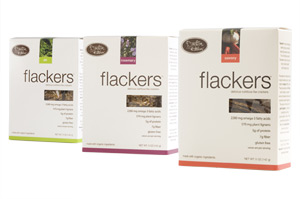
Doctor in the Kitchen Flackers low carb flax seed crackers are now available.
From Doctor in the Kitchen, “Flackers are a delicious, health giving, flax seed cracker. The seeds are sprouted to increase the bioavailability of the nutrients then dehydrated at low temperatures to preserve the omega-3 fatty acid. Flax seeds should be part of every optimal health and longevity diet. They are high in alpha linolenic acid – a heart healthy omega-3 fatty acid. They are packed with fiber, which helps to maintain normal cholesterol levels and promote optimal digestion. Also, these powerhouse seeds are filled with antioxidants, protein, plant lignans, and many vitamins and minerals.”
The Dukan diet in the Number 1 selling diet book in France and is becoming a firm favourite with dieters in the rest of Europe as well as crossing the Atlantic, the celebrity world is awash with talk of this new wonder diet and even the new Royal bride Kate Middleton was reportedly using the diet to get to her enviable weight in time for her wedding to Prince William.
It was created by Frenchman Doctor Pierre Duken and is based on a high protein, low carbohydrate diet. The diet itself has four stages; the first two are to help with quick weight loss and the second two are lifetime diet changes to help you maintain your new healthy weight. Whilst the principal is vaguely similar to Atkins in that it’s a high protein, low carb diet the emphasis is very much on low fat proteins.
Phase 1: The Attack Phase
The first phase of the Dukan diet is followed for 1-10 days depending on how much weight you wish to lose; dieters are reported to lose an average of 7-10lbs in the first week on the Dukan diet.
The attack phase only allows dieters to consume low-fat protein foods such as fish, lean meats, and reduced calorie dairy products. These protein foods can be seasoned and flavored with condiments so long as they don’t contain any fat or carbohydrates; for instance spices, salt and pepper, mustard, and vinegar. Calorie free soda drinks are also permitted along with unsugared tea, coffee and water.
In addition to the protein dieters may also consume up to 1½ tablespoons of oatmeal per day.
Side effects suffered by some during this first phase are bad breath and a dry mouth, although drinking plenty of water should help the situation.
Phase 2: The Cruise Phase
The second part to the Dukan diet is the cruise phase, where on alternate days you can include vegetables with your protein. The vegetables are limited to unstarchy vegetables, for example; spinach, cucumber, tomatoes, celery, lettuce. The vegetables can be consumed raw or cooked and can be cooked with the protein to make soups or stews.
The second phase is continued until the dieter has reached their desire weight. Typically a Dukan dieter will lose 2lbs a week during the cruise phase.
Phase 3: The Consolidation Phase
Once a dieter has reached their target weight they then move onto the consolidation phase. In addition to the protein and vegetables, dieters are allowed one piece of fruit per day and two slices of whole-grain bread. An extra portion of carbs such as pasta, noodles or rice are also allowed once each week
The consolidation phase of the Dukan Diet also allows a ‘celebration meal’ each week where any food group can be eaten in one meal. Once you’ve been in the phase for a length of time and maintained your weight this can be expanded to three celebration meals per week.
Phase 4: The Stabilization Phase
The final or on-going phase of the plan is the stabilization phase. Here you can go back to eating whatever you like but using the consolidation phase as a guideline. One day of the week however, you must eat only protein as in the attack phase.
Exercise
As well as dieting Dukan also incorporates exercise into his plan and advises that everyone do 20 minutes of brisk walking each day during the first phase and then 30 minutes for the subsequent phases.
If you have any health issues you should speak to a medical practitioner before undergoing this or any other weight loss diet.
If you’re researching information online about gluten free diets and celiac disease, then be sure to read this article about the potentially harmful effects of one of the most wholesome and basic foods on the planet — wheat.
Wheat is a staple food all over the world, breads of different descriptions, pasta and noodles are all made from wheat and can make up a large part of our daily diets. For a lot of us, however, we often discover that wheat is the cause of much of our health miseries, ranging from celiac disease where sufferers are unable to eat gluten, which is found in many other grains as well as wheat, to a range of symptoms that are not life threatening but can still interfere with our general health and wellbeing.
Whilst a true allergy to wheat is quite rare the affects can be very serious with coughing, eczema, asthma, breathing difficulties and vomiting amongst immediate symptoms. Thankfully, most people suffer from a less serious intolerance to wheat. Intolerance to wheat can make life miserable for sufferers, with side effects such as sinusitis, headaches, skin rashes, hay fever type symptoms, digestive problems, bloating, tiredness and constipation. Eliminating wheat from our diets will see a rapid improvement in these symptoms, but navigating a food world without wheat takes some skill and practice.
Changing Your Eating Habits
If you are used to having toast or bagel for breakfast, grabbing a sandwich at lunch and popping out for pizza or pasta for your evening meal then you are going to have to seriously rethink your diet. Likewise, those who love to bake cakes and cookies at home will have to investigate all the different options available to them to replace their regular flour with wheat-free versions.
Here are some examples of wheat-free flour alternatives, please note that they will not taste exactly the same, nor will they have the same consistency and texture, you will need to experiment to find the products that best suit your needs and personal taste buds.
Alternatives for wheat flour include:
Rice Flour
Garbanzo (chick-pea) Flour
Potato Starch & Potato Flour
Rolled Oats
Tapioca Flour
Arrowroot Flour
Corn Flour & Corn Starch
Cornmeal
Soy Flour
Chestnut Flour
Buckwheat Flour
Quinoa Flour
Rye Flour (not suitable for those on a gluten free diet)
Barley Flour (not suitable for those on a gluten free diet)
For those of us who don’t tend to do much home cooking and baking then thankfully there are many alternative foods that are wheat-free, along with fairly easy ways to change your eating habits. Some simple ideas include choosing breakfast cereals that are rice or oat based instead of wheat, having sandwich fillings or pasta sauces on a baked potato or with fries, eating corn tortillas or nachos instead of bread (although check that the brand doesn’t contain wheat) with your soup.
Gluten-Free Food Products
Because of the increase of celiac disease there is now much better labelling on food stuffs, and there has also been a big rise in the amount of gluten-free foods available. Thankfully you don’t need to be a celiac to take advantage of these products and if you have a wheat intolerance then you will find them most helpful in your quest to become wheat-free. Scouring the internet for gluten-free recipes will also provide you with a host of delicious recipes and cookery ideas along with ways to replace your regular wheat products with non-wheat products.